Categories
Uncategorized

BUYER’S AGENT AND WHY YOU NEED ONE

As the name implies, a buyer’s agent represents the buyer’s interests and will negotiate on the buyer’s behalf during the transaction. Home buyers should always have an agent representing them. Buyer agents work to negotiate the best terms and price for the buyer. Best of all, the buyer agent’s services in a majority of cases are free to the buyer. Most people think they have to pay a sales commission when working with a buyer’s agent. The truth is that usually the Seller pays for the Agents Commission. It is very rare to see that a buyer pays a buyer’s agent a commission unless otherwise disclosed and agreed upon in advance. What most buyers need to understand is that whether they use an agent or not, the seller still pays the commission in most sales when going through an agent. The only person that wins when buyers are not represented is the Listing Agent/Seller’s Agent. In most situations a buyer’s agents will have their clients sign an agency agreement, which is usually called an Exclusive Buyer Agency Agreement, but there are many occasions where this agreement is not signed. An Exclusive Buyer Agency agreement usually describes the services provided by the buyer’s agent, how they are compensated, and how the two parties will work together. As a Realtor I get asked all the time why do I need to hire a buyer’s agent to help me buy a house, wouldn’t I get a better deal if I work with the listing agent directly. I usually answer, would you hire your wife’s attorney to represent you in your divorce? The same thought process goes for real estate. Why would you use the listing agent who is working for the seller to negotiate your best interest? There is an inherent conflict of interest. Though not all real estate agents are members of the National Association of Realtors (NAR), those who do join the group agree to abide by a code of ethics. That code essentially stipulates that Realtors deal with all parties of a transaction honestly. Under the code, the Realtor is obligated to put the clients’ interests ahead of his own. He or she is also required to make full disclosure about the problems with a property and be truthful about what he or she knows about the property. The Home Buying Process is stressful enough without worrying about who you can and cannot trust that is why your buyer’s agent should be someone you can confide in and be able to go to when you have any questions about the buying process. Most real estate agents can set a price on a home the minute they walk through the door. If they have a lot of experience in a market, they know how well a neighborhood holds its value and what a buyer should be paying for that property. While anyone can spend a few minutes online and pull information on sales of comparable houses, real estate agents have the experience to know whether a specific house is overpriced or underpriced. In the best-case scenario, an agent will have such a good idea of what you’re looking for that she won’t even waste your time touring houses that won’t work. Not only can agents provide all the data on local home sales that you want to see, but they usually are able to negotiate the best deal and price possibly, most of the time a much better deal than when a buyer decides to buy the property by themselves unrepresented or through the use of the listing agent “Seller’s Agent”. A buyer’s agent can usually bring assets to the deal that come from years of watching waves of transactions in the neighborhood. A Buyer’s Agent is like a parent that wants the best for their children, and will go through all sorts of actions to make sure they are taking the best steps necessary to ensure the success of their children. Now that you are armed with this information, below you will find 10 traits of a good buyer’s agent: 1. Knowledge of the different neighborhoods, pricing, and comps, 2. Ability to identify trouble and request repairs when warranted 3. Finding Available Homes and Suggesting Options Even Off Market Options not available online or MLS 4. Tackling the Paperwork 5. Unemotional Negotiation & Skills 6. Local Code Expertise 7. Thorough Record Keeping 8. Access to Resources like Contractors, Attorneys, Architects, etc. 9. Avoiding Closing Problems 10. Overall Experience

Categories
Uncategorized

5 THINGS YOU SHOULD KNOW ABOUT BUYING A SHORT SALE

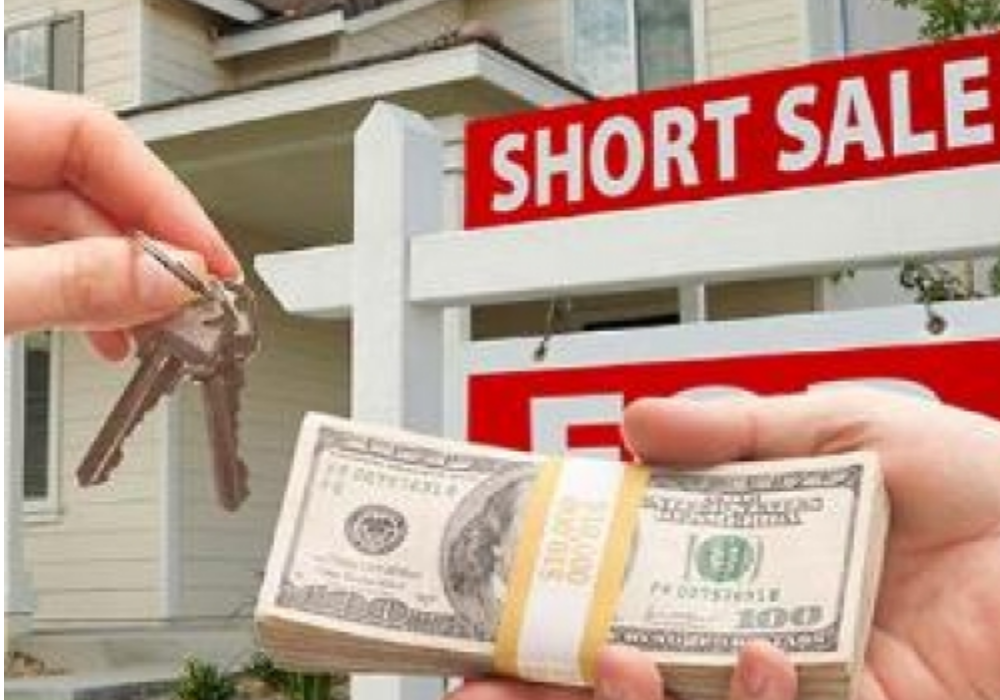
5 Things You Should Know About Buying A Short Sale Property Buying a short sale home can be great way to buy a desirable home at sometimes a very affordable low price. However, if the low price tag is the only thing that the home buyer considers when looking for short sales, they will soon find themselves surrounded by a collection of issues that can make closing on a short sale seem like an esoteric possibility. Anyone shopping for a short sale property needs to ask the question, “What is a short sale and what should I expect when buying a short sale home?” The generic descriptions of a short sale is a transaction that occurs when a property is sold for less than the total amount owed on the existing mortgage loan. Selling the property for less than the balance due makes sense for the bank in some situations, like when the borrowers fall behind on the mortgage and have few prospects for bringing the loan current or paying it off. Of course, the lender must agree to the short sale, which in a lot of cases the lender is really not excited to do. This lender may just skip the short sale and just consider the alternative which is foreclosure, which in most cases can maybe even get the lender more money then what they would get doing a short sale and possibly even with less hassle. Below you will find 5 factors home buyers searching for a short sale should consider: 1. The seller cannot conduct a short sale if they have filed for bankruptcy A short sale is considered to be a collection activity; a successfully filed bankruptcy requires that all collection activities must cease. This means that the short sale deal will be a non-starter from the very beginning. Most homeowners don’t know this, and lenders do not always find out about the bankruptcy before approving the short sale, so buyers should ask if the homeowner has filed for bankruptcy up front. 2. Buyers should make sure that the seller has actually defaulted first Sometimes a seller will market their home as a short sale without understanding the process involved. Distressed homeowners will often attempt a short sale before having defaulted on their loans. When this happens, the deal is automatically rejected. 3. Is there a second mortgage on the property? Find out before getting too far into the transaction, because the second-lien holder may not play ball. If the purchase price isn’t enough to pay off both loans, the second mortgage holder isn’t obligated to relinquish its second lien position. In such cases a short sale can be a non-starter. 4. A large percentage of short sales are fixer-uppers If a homeowner does not have the funds to pay the mortgage and keep their home, chances are that they have not been able to afford to maintain it. This means that home buyers are rolling the dice with short sales. Both thorough home inspections and total repair estimates should be done before closing on a short sale. 5. Understand that you could face long waits and a lot of red tape Even after the lender has agreed to it, a short sale must go through a sometimes very tedious and lengthy process that can cause it to take months before the buyer is brought to the table to close the deal. Due to this factor, anyone who is looking to close on a new home as soon as possible should think twice before pursuing a short sale. Buying a short sale is a great possibility for those with the knowledge — and the patience to get the deal done. But knowing all the risks beforehand can help new home buyers avoid a lot of pain and frustration. Before choosing to buy a short sale or any other property for that matter buyer’s should consider talking to a real estate professional who can give them advise and the many options available to these buyers. If you are looking to buy you can start your search here on our website and get the most up to date market information.

Categories
Uncategorized

10 LETHAL INVESTOR MISTAKES

Here’s is a list of the 10 most lethal Investor Mistakes Planning as you go. Thinking you’ll “get rich quick.” Playing Lone Ranger. Paying too much. Skipping homework. Ducking due diligence. Misjudging cash flow. Lowering the volume. Painting yourself into a corner. Miscalculating estimates. Credit for Info to Pat Curry at • Bankrate.com

Categories
Uncategorized

HOME BUYING VS RENTING

The decision of whether to rent or to buy a place is a major one. It doesn’t just affect how much money you have left at the end of the month; it also affects your lifestyle and the size of the savings you accumulate over the years. Buying is not for everyone and there maybe occasions where it may make sense to rent. In most occasions buying is usually the better of the two. Below are some of the advantages of buying a property versus renting one. Advantages Of Buying Vs Renting Greater privacy. Homes typically increase in value, build equity and provide a nest egg for the future. Your costs are predictable and more stable than renting because they’re ideally based on a fixed-rate mortgage. The interest and property tax portion of your mortgage payment is a tax deduction. There’s pride in home ownership, which also closely ties you to your community. No Landlord can kick you out. You can take advantage of currently low interest rates Home Ownership allows you to build a second income stream – via renting a room, garage or storage space, or a specified area for gardners. Of course buying is not for everyone. If you like the flexibility to move at a month’s notice (If not locked in on a long lease) or are uncertain of your job outlook, then renting is ideal for you. For everyone else, home ownership is a solution that provides many advantages including the sense of security and well being that they have always been searching for.

Reset password

Enter your email address and we will send you a link to change your password.

Get started with your account

to save your favourite homes and more

Sign up with email

Get started with your account

to save your favourite homes and more

By clicking the «SIGN UP» button you agree to the Terms of Use and Privacy Policy
Powered by Estatik